7 Signs of Hidden Mold in Memphis Basements (and When to Call)
Memphis humidity and older housing stock make basements a prime spot for hidden mold. Here are the signs most homeowners miss, and the threshold for calling a remediation pro.
Mold rarely announces itself in a Memphis basement. By the time you see a fuzzy black patch on a wall, the colony has usually been growing inside the framing, behind drywall, or under flooring for months.
The good news: hidden mold leaves clues. If you know what to look for, you can catch it before it spreads beyond a contained, affordable remediation.
1. A musty or earthy smell that comes and goes
This is the single most reliable early sign. Mold metabolizes organic material (wood, paper, drywall facing) and releases microbial volatile organic compounds (mVOCs) that the human nose picks up as that classic 'old basement' smell.
If the smell is stronger in humid weather or after rain, that is your moisture source clue. If it gets stronger when the HVAC runs, growth is likely near returns or in the ductwork.
2. Peeling paint, bubbling wallpaper, or soft baseboards
Moisture migrating through drywall lifts paint and wallpaper from the back. Baseboards that flex or feel spongy mean the bottom plate behind them is wet, and mold follows wet wood quickly.
3. Discoloration on walls or ceilings, especially near exterior walls
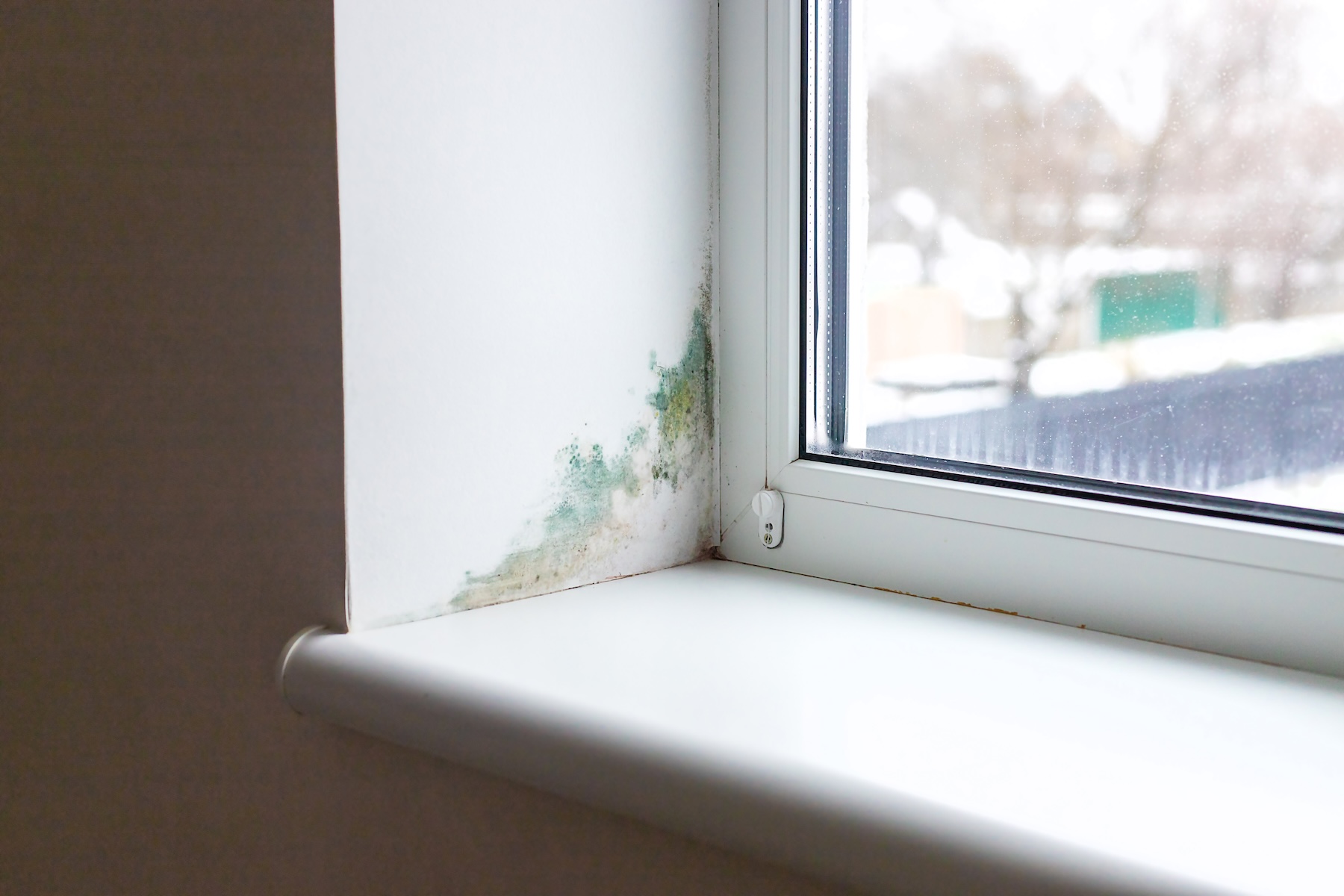
Yellow, brown, or grayish staining (sometimes mistaken for water stains) often indicates active growth on the back of the drywall. Common spots: behind furniture against an exterior wall, in corners that get no airflow, and under windows.
4. Worsening allergies or asthma when you are at home
If a family member's symptoms (runny nose, headaches, asthma flare-ups, skin irritation) consistently improve when they leave the house and return when they get back, an indoor air-quality issue is likely. Mold is one of the most common causes.
5. Window condensation and stained sills
Single-pane and older double-pane windows in Memphis homes weep moisture every winter. That moisture rots wood sills and feeds mold growth on the frame and inside the wall cavity below.
6. High humidity readings on a hygrometer
A $15 hygrometer is one of the highest-leverage tools a Memphis homeowner can own. If basement relative humidity is consistently above 60%, mold has the conditions it needs to grow. Sustained 65 to 80% (common in unconditioned Memphis basements in summer) is a near-certainty for growth somewhere.
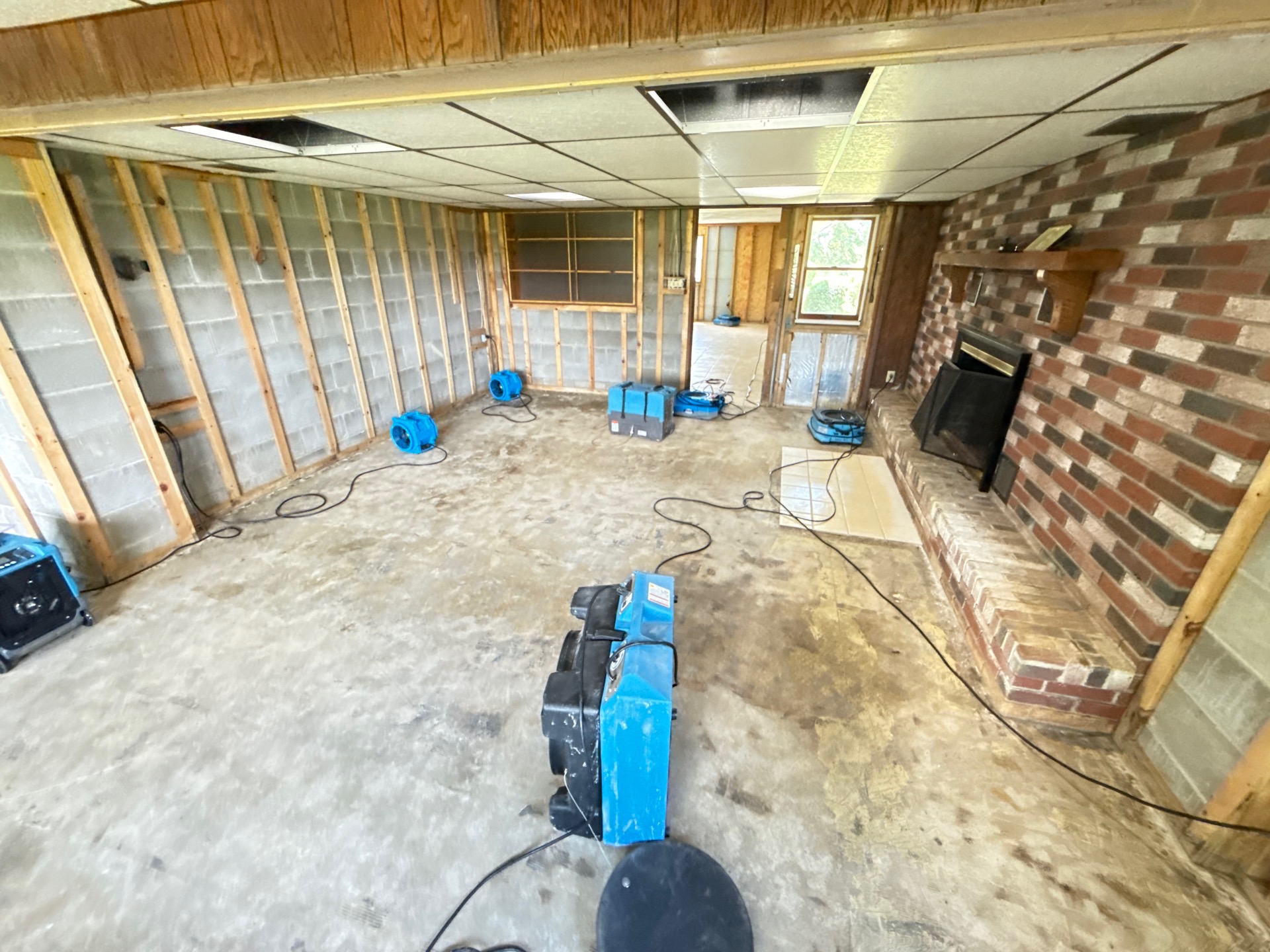
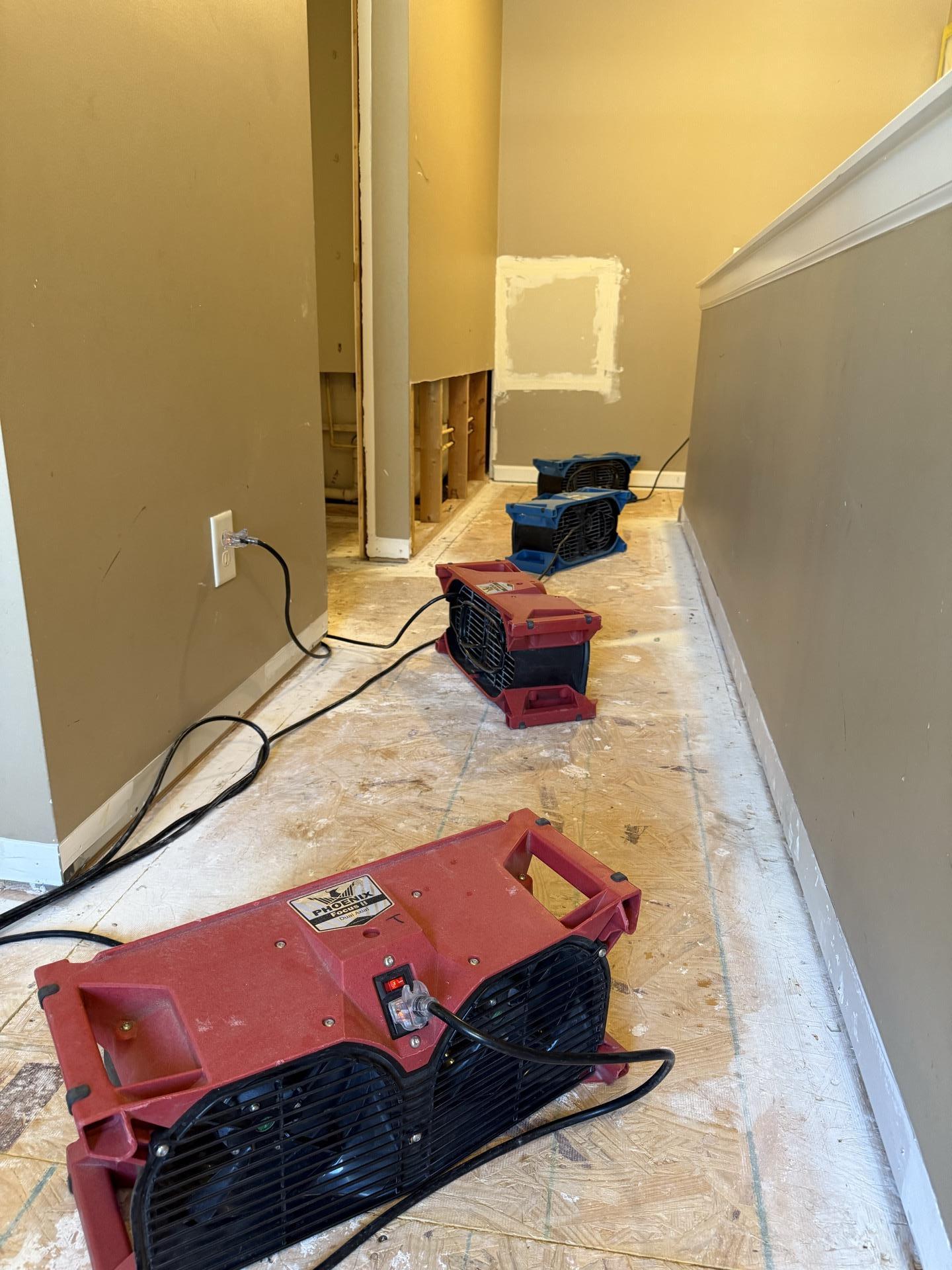
7. Recent water damage that was not professionally dried
This is the biggest predictor of hidden mold we see in the field. A leak that got mopped up and 'aired out' with fans almost always left moisture trapped in framing or behind drywall. Mold colonies typically establish themselves within 24 to 48 hours of materials staying wet.
When to call a mold remediation pro near you
EPA and IICRC S520 guidance both point to the same threshold: visible growth larger than about 10 square feet, any growth from a Category 3 water source (sewage), or growth that keeps coming back after you clean it should be handled by a certified remediation team.
Smaller patches on non-porous surfaces (tile, sealed concrete, glass) can often be cleaned with detergent and water, then dried thoroughly. Bleach is not recommended on porous surfaces and is not listed as an effective mold remediation product under IICRC S520.
If you are unsure, an inspection is cheaper than guessing. A certified Applied Microbial Remediation Technician (AMRT) can identify the moisture source, scope the growth, and tell you whether you have a DIY situation or a containment-and-removal project.
If two or more of these signs are showing up in your home, it is worth a 30-minute inspection. We dispatch local Memphis crews across Shelby County and can usually be on-site the same day. Call (901) 441-6041 or use our contact form.