What to Do in the First Hour After a Burst Pipe (Memphis Edition)
The first 60 minutes after a burst pipe determine whether you have a $3,000 cleanup or a $15,000 rebuild. Here is the exact sequence to follow.
A 1/2-inch supply line releases more than 200 gallons of water per hour. In the first 60 minutes after a burst pipe, what you do (and what you do not do) is the single biggest factor in how much your loss eventually costs.
Here is the sequence we tell every Memphis caller while we are dispatching a crew.
Minute 0 to 5: shut off the water
Find your main shutoff valve and close it. In most Memphis homes it is in the basement near the front foundation wall, in a utility closet on a slab home, or outside in a meter box near the curb. If you have never located it, do it now (not in an emergency).
If you cannot find the main, shut off the valve closest to the leak: under the sink, behind the toilet, on the supply line behind the washer or fridge.
Minute 5 to 10: kill power to affected areas
If water is anywhere near outlets, light fixtures, or appliances, kill the breakers for those rooms at the panel. Water plus 120V is a real risk, and you cannot start moving things until the area is electrically safe.
Minute 10 to 20: document everything before you move anything
Take wide photos and short videos of every affected room. Get the leak source itself, the standing water, soaked items, and any damaged finishes. Insurance carriers require visual proof of pre-mitigation condition, and your phone is the cheapest forensic tool you have.
Do not skip this step to start cleaning. Five minutes of documentation can be worth thousands in a claim.
Minute 20 to 35: move what you can
Lift fabric, paper, electronics, and wood furniture off wet floors. Place foil squares or wood blocks under furniture legs to keep stain and finish from bleeding onto carpet or hardwoods.
Pull up rugs and runners and get them outside or to a dry concrete surface. Do not stack wet items; spread them out so air can move.
Minute 35 to 45: call an IICRC-certified water mitigation team
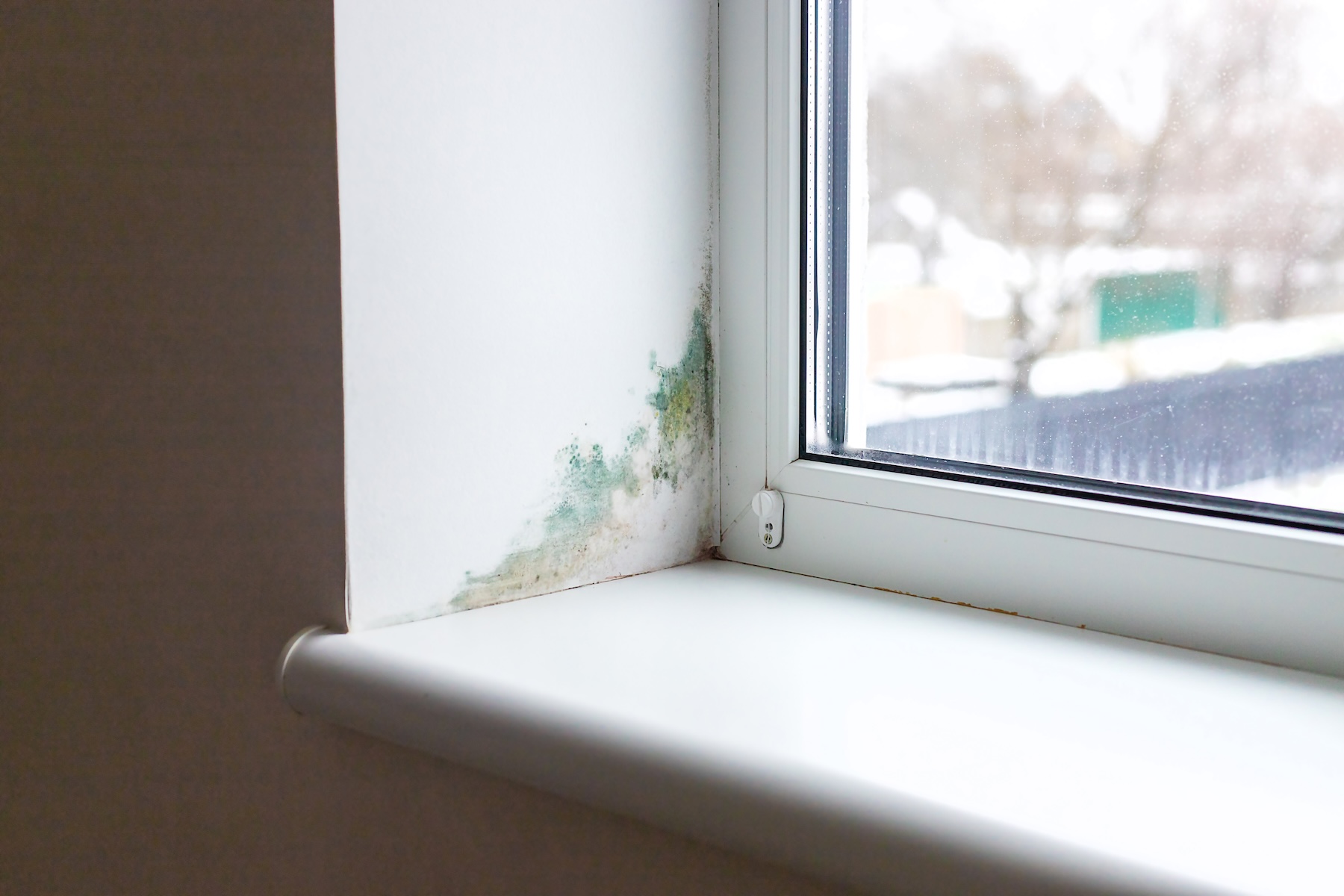
Mold colonies establish themselves on wet drywall and framing within 24 to 48 hours. Every hour the structure stays wet is an hour the eventual scope grows.
Ask three questions when you call: Are you IICRC S500 certified? Do you bill my carrier directly? What is your current ETA to my address? A local Memphis team should be on-site within 60 to 90 minutes for an emergency.
Minute 45 to 60: notify your insurance
File a first notice of loss with your carrier. You do not need a final scope or dollar amount, just the date, time, cause if known, and a brief description. Your mitigation team can join the call later to handle the technical details with the adjuster.
Keep all receipts for anything you buy in the next few days (tarps, fans, hotel stays if the home is unlivable). Most policies have a Loss of Use line item that reimburses those out-of-pocket costs.
What NOT to do
Do not use a household vacuum or shop vac to suck up standing water unless it is rated for wet pickup. You will destroy the vacuum and possibly yourself.
Do not lift wet wall-to-wall carpet without help. Wet carpet is brutally heavy and tears easily, which complicates reinstallation.
Do not turn on ceiling fans below a wet ceiling. The drywall can fail suddenly and the fan can come down with it.
Do not start cutting drywall before documentation and before a pro has read moisture levels. Modern drying often saves material that older approaches would have torn out.
Save (901) 441-6041 in your phone right now under 'Water Emergency.' If you ever need it, having it in your contacts is one less thing to figure out at 2 AM.